



bar mills
Bar mills, a term that might invoke images of bustling industrial activity, holds significance in various fields including manufacturing, engineering, and hobbyist circles. In this article, we aim to delve deep into the world of bar mills, dissecting their purpose, applications, and the innovations driving the industry forward while anchoring the narrative in real-world experiences and authoritative insights. In the realm of industrial manufacturing, bar mills play a pivotal role in the production of bars used across a plethora of industries. These mills are engineered to handle raw metal ingots, transforming them through a succession of processes involving heating, rolling, and cooling into refined metal bars. These end products are subsequently used in construction, automotive, and various mechanical applications, demanding a high level of precision and quality. One notable advancement in this sector has been the integration of automation and AI technology, which ensures consistent product quality while maximizing production efficiency. According to industry experts, the expertise required in operating and maintaining bar mills cannot be understated. Skilled technicians are vital, as they need to ensure optimal performance while minimizing downtime. Regular maintenance and calibration of machinery are paramount, confirming that production parameters remain within strict specifications. This expertise directly translates to product reliability – a cornerstone of the industry’s authority and consumer trust. Delving into the intricacies of hobbyist and model-making communities, bar mills capture another dimension of creativity and craftsmanship. Here, the term often refers to miniature sawmills and related structures, which are popular in model railroading. Offering enthusiasts a chance to create detailed, lifelike dioramas, these models are revered for their meticulous design and authenticity. Leveraging lessons from the operational standards of full-scale mills, model kit manufacturers strive to deliver products that are both faithful reproductions and easy to assemble. bar mills First-hand experiences with bar mills highlight the importance of understanding material properties and operating procedures. In the manufacturing domain, seasoned workers recount stories of learning the nuances of different metal types, adapting techniques to meet varying specifications, and the satisfaction derived from seeing raw materials evolve into precision-engineered products. These narratives establish trust and underscore the credibility of the industry, reflecting a deep-seated knowledge passed down through generations. For hobbyists , assembling bar mill models offers a unique blend of research and personalization. Crafting a scene from yesteryears or a fictional universe requires a keen eye for detail and the patience to see a project through to completion. Experts in this field emphasize the joy of discovery – from identifying the right materials to devising innovative solutions for unique design challenges. This journey not only builds skill but also fosters a sense of community among hobbyists, underscoring their expertise and authoritative voice within this niche. The future of bar mills, both industrial and model, is poised for remarkable transformation. As sustainability becomes a universal priority, the industry is exploring eco-friendlier production methods and materials. Recycled metals and energy-efficient technologies promise to reduce the environmental footprint of these operations. Likewise, in the model-making arena, the shift towards renewable materials and digital design tools heralds a new era of creativity and innovation. In conclusion, bar mills, whether seen through the lens of large-scale manufacturing or passionate hobbyism, stand as a testament to human ingenuity and expertise. Their evolution is a narrative woven with both technical authority and the warmth of personal experience, affirming their enduring relevance and trustworthiness in an ever-changing world.

We have successfully executed over 500
projects around the world,
many first-of-their-kind
research projects and products in China, including
We have successfully executed over 500
projects around the world,
many first-of-their-kind
research projects and products in China, including
-
2004
The 1st hydraulic AGC system for hot rolling of ribbon steel
-
2006
The 1st AFC system used for 1450mm skin pass mill
-
2009
The 1st 5-stand tandem line with 2-stand POR & Uncoiler for 650mm ribbon steel
-
2012
The 1st reversing mill for 1380mm strip
-
2016
The 1st soft-rolling system used in skin pass mill
-
2019
The 1st fully automated medium-width tandem cold rolling mill
-
2021
The 1st 5000KN Twin-stand double skin pass mill
-
2022
The 1st coupled pickling line & tandem cold mill with two modes - big roller & small roller
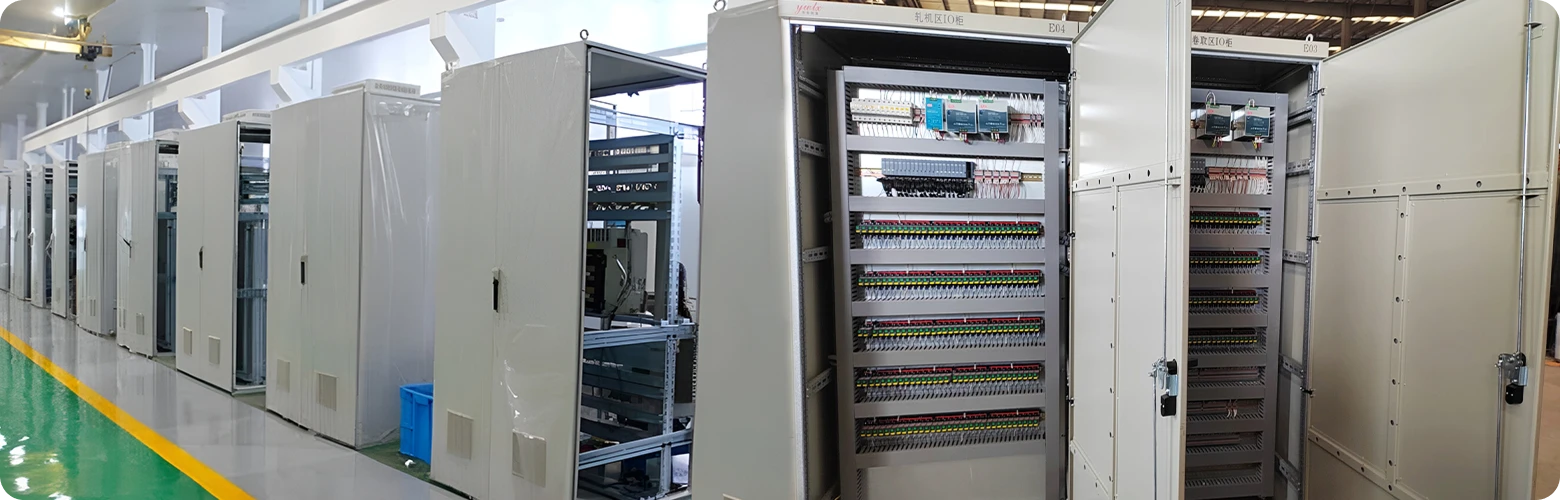
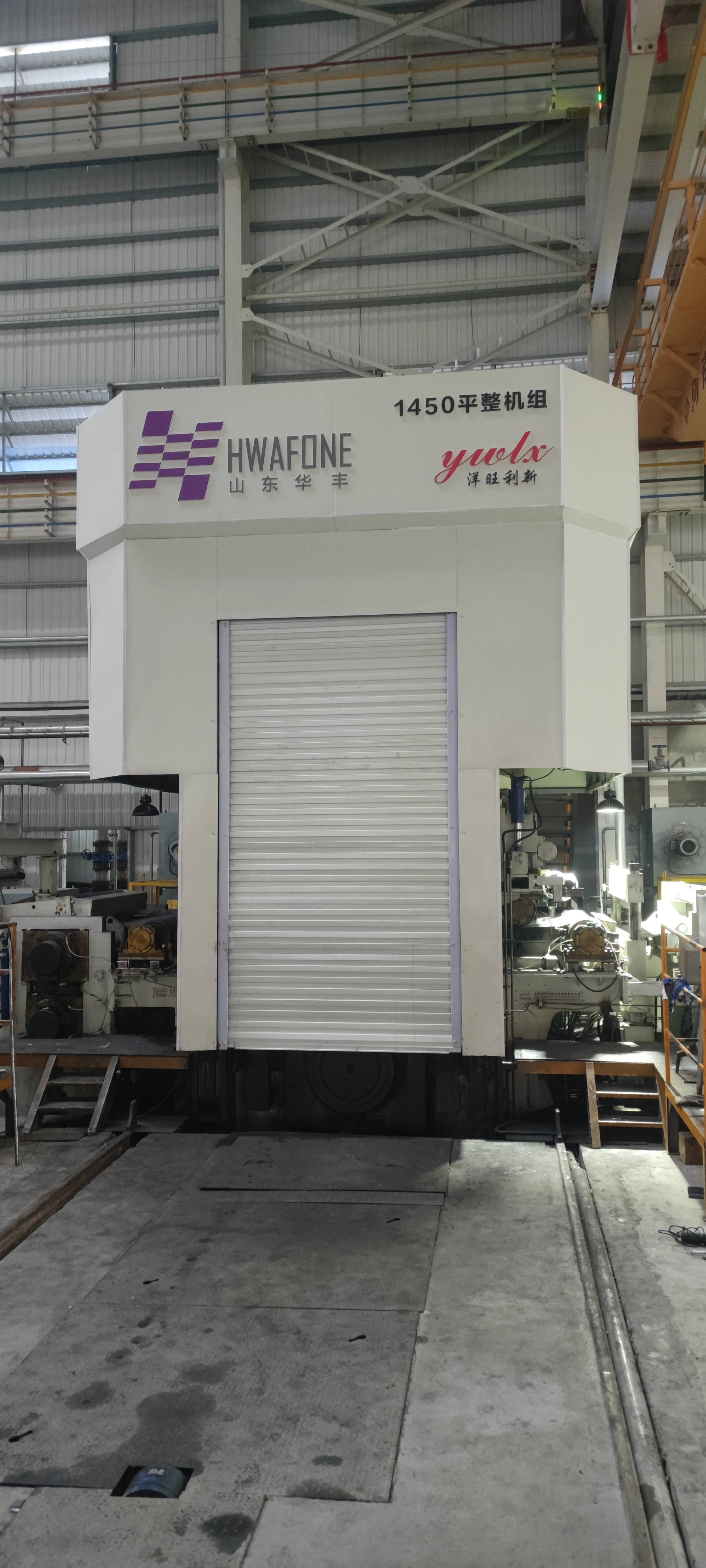
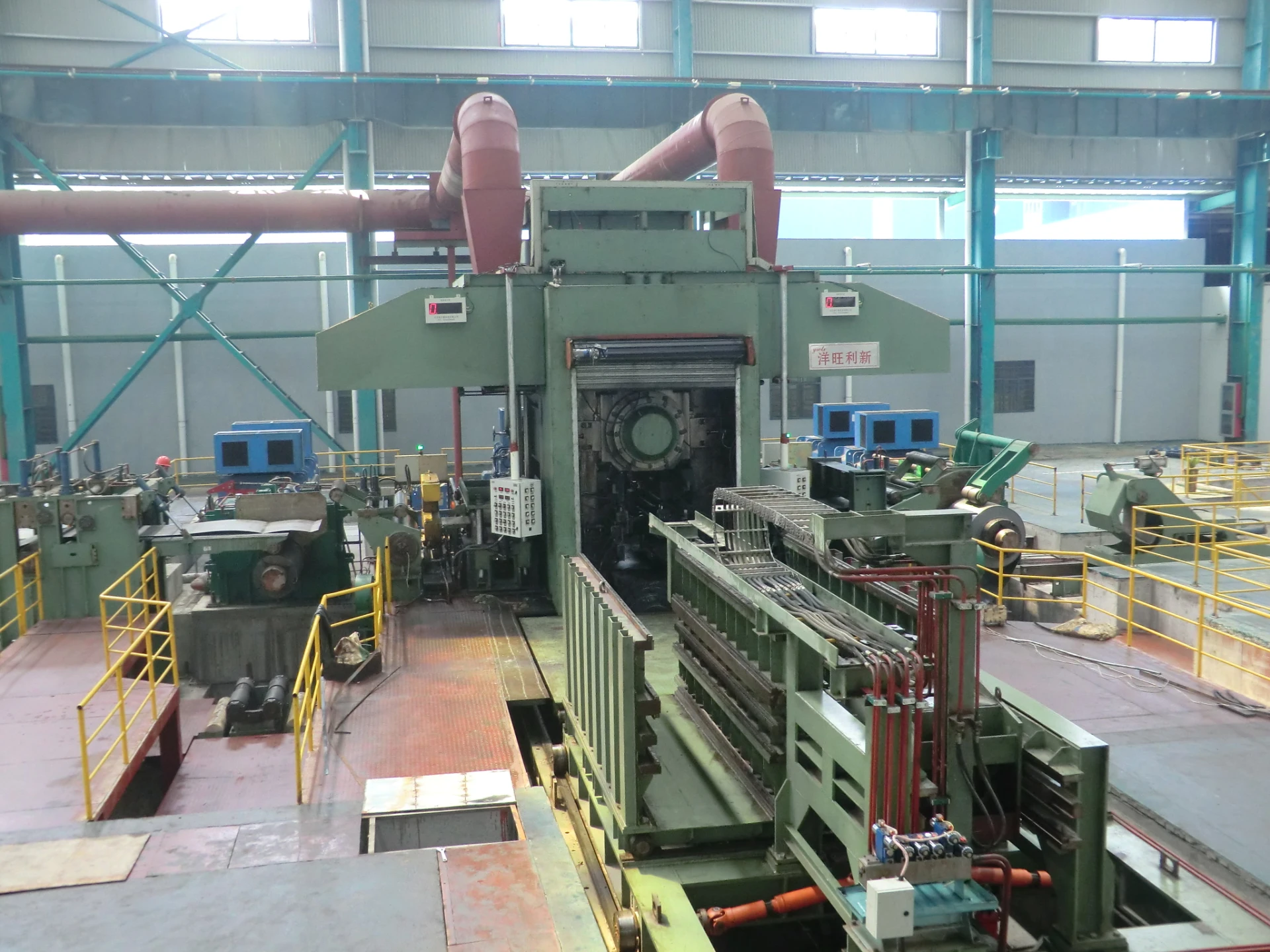
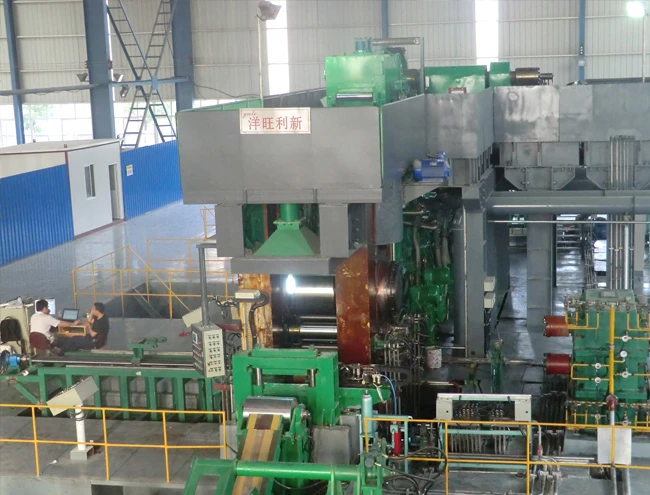
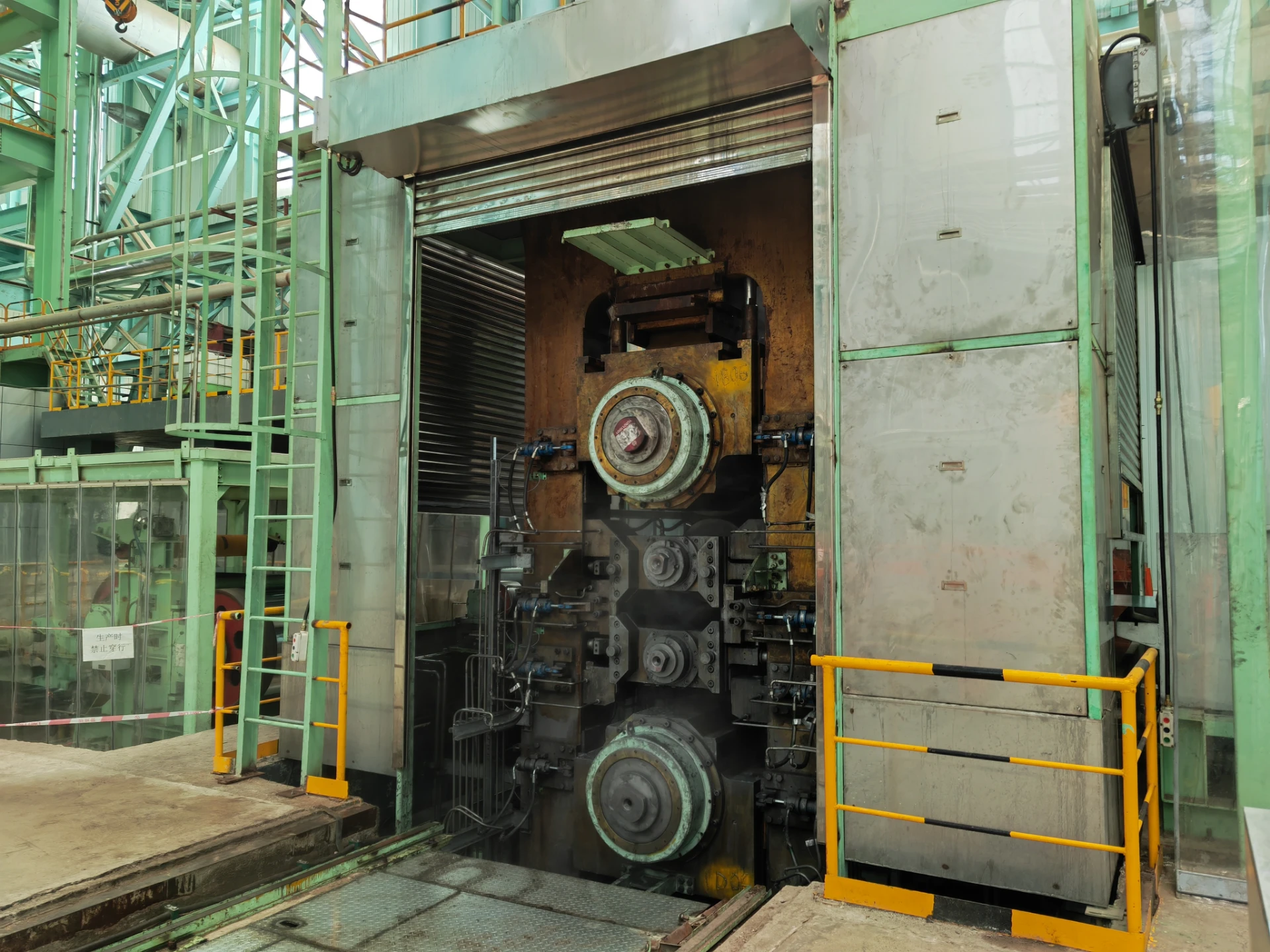
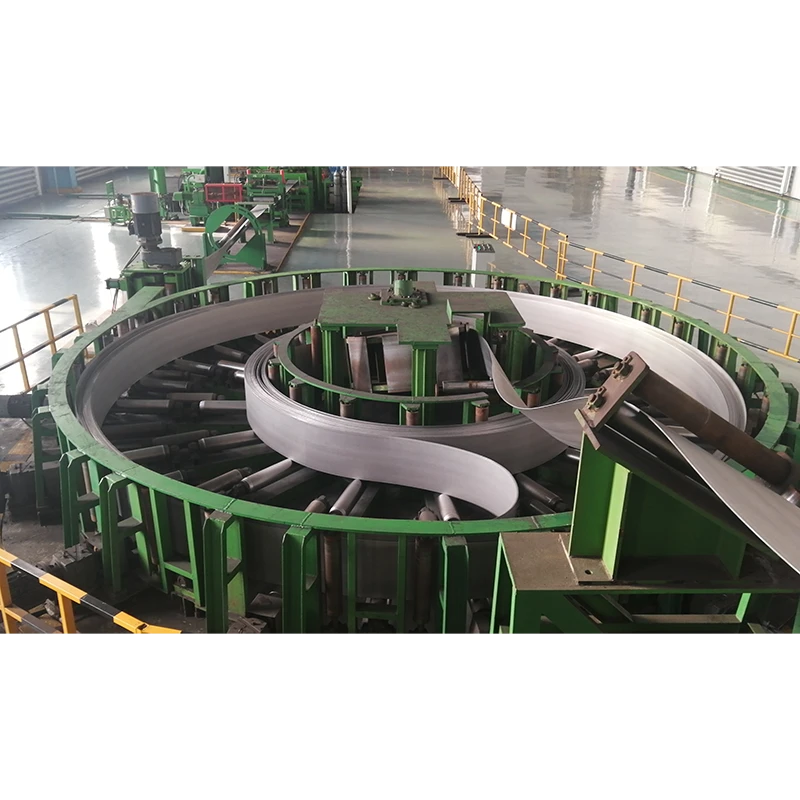
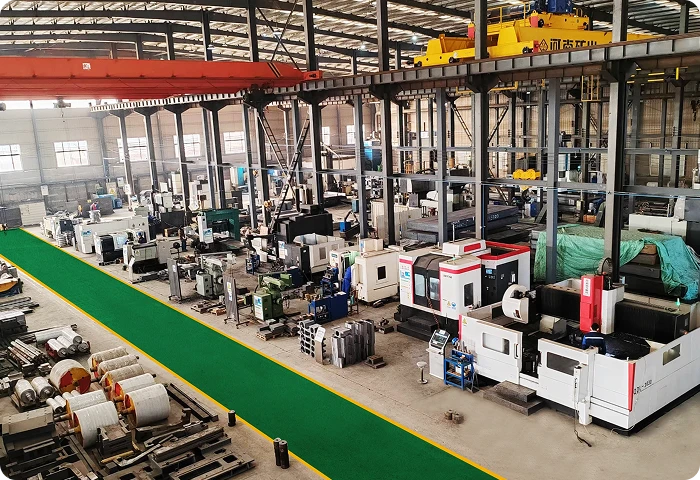
Yang Wang Li Xin operates a state-of-the-art facility over 66,000 square meters,and our manufacturing facility is fully equipped with high-tech machinery and high-capacity cranes. This enables us to handle large work pieces measuring 4.5m in width, 10m in length, and 1.5m in height, guaranteeing our capacity to produce 1800mm skin-pass mills and 1450mm rolling mills. The individual piece can weigh up to 100 tons.

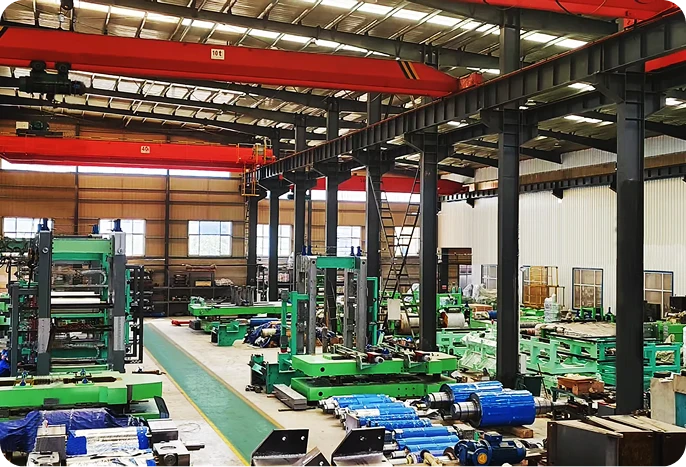

Quality is fundamental to the enterprise survival. We have established a comprehensive and meticulous quality management system and have successfully obtained ISO14000 certification. Starting from the design source, it supervises the entire production cycle, including design, procurement, processing, assembly, in-factory testing, installation, and online commissioning. The workshop is equipped with measuring tools like vernier calipers, spectrometers, hardness testers, and ultrasonic flaw detectors. They are used to check materials and control tolerances to ensure the final equipment meets or exceeds requirements. All products have a unique code, This enables the easy identification and traceability of the equipment components and ensures full control of quality.


-
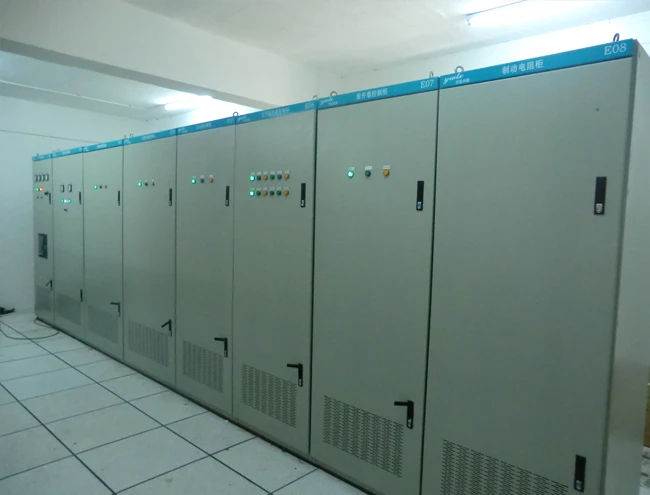 Temper Mill: An Integral Part of the Bright Annealing LineA temper mill is an essential component in steel processing, especially when integrated with a bright annealing line. It enhances surface quality, improves mechanical properties, and ensures uniform thickness of steel sheets. By utilizing a temper pass mill , manufacturers can achieve better flatness and surface consistency, making it a crucial step before further downstream applications. The Func
 -
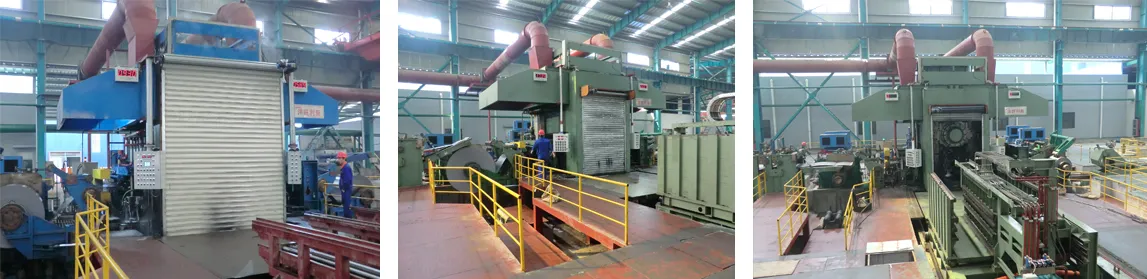 Cladding Rolling Mill-YWLX|Energy-Efficient Metal Bonding&High-Quality Surface FinishIntroduction to Cladding Rolling Mill Technology The Cladding Rolling Mill developed by Beijing Yang Wang Li Xin Sci&Tech Co.,Ltd. represents a revolutionary advancement in metal bonding technology. This innovative system addresses critical challenges in traditional methods such as hot roll bonding cladding and explosive cladding , offering a more sustainable, cost-effective, and high-quality solu
 -
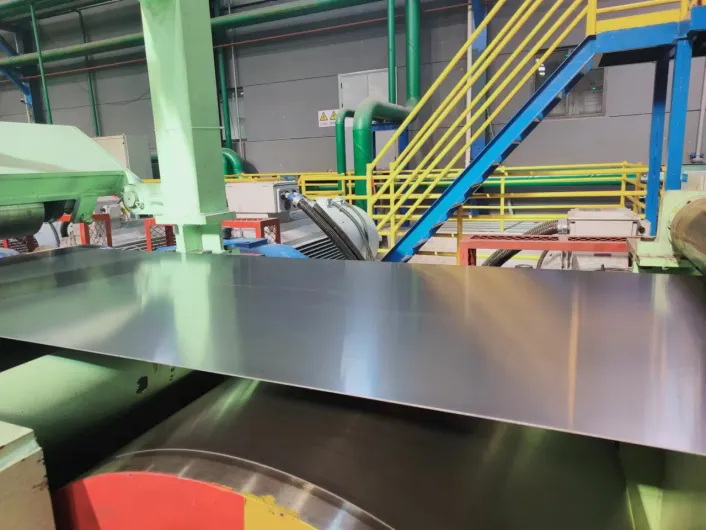 Reversing Rolling Mill | Precision 4Hi/6Hi, EfficientFour/Six-Hi Reversing Cold Rolling Mill: field notes from the line If you're weighing up a Reversing Rolling Mill , here’s the straight story from shop floors that have actually run one. YWLX (Origin: No.1518, LAR Valley Int'l, Guang’anmen Avenue, Xicheng District, Beijing, 100055) has quietly seeded its Four/Six-Hi reversing cold mills across China. In practice, the Six-Hi configuration has becom


